Hubbard v Vosper [1972] 2 QB 84
Images courtesy of Senate House Library (University of London).
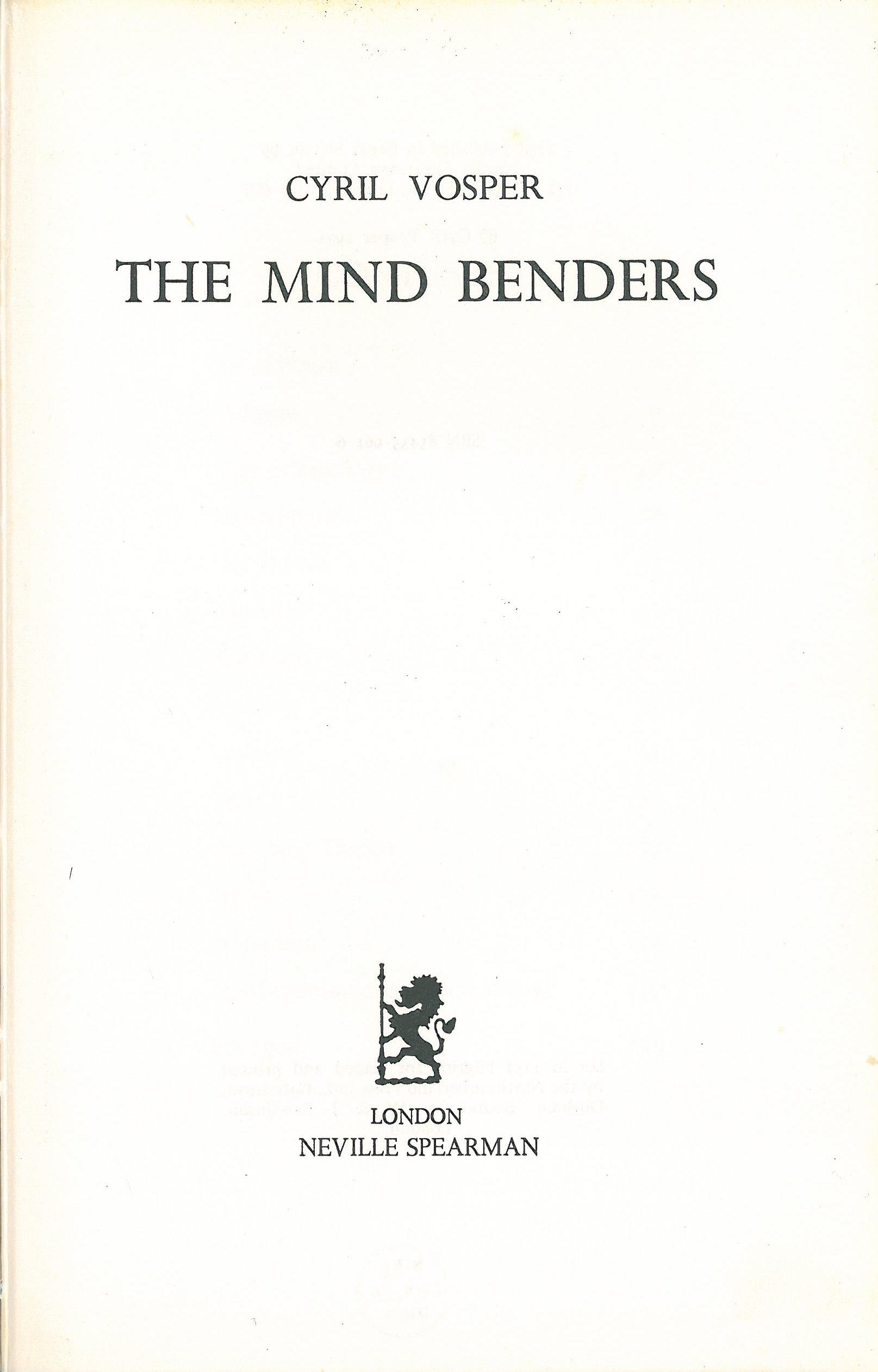
In 1971, Cyril Ronald Vosper (1935-2004), a former Church of Scientology member, wrote a critical account of his experience in that organisation. His book - The Mind Benders - was first published in London by Neville Spearman Ltd, a publishing company managed by Neville Armstrong (1914 -2008). After seeing that the book contained a significant amount of inside information about Scientology and quotations from a number of his works, the founder of the Church, Lafayette Ronald Hubbard (1911-1986) and the Church sued both the author and the publisher and tried to restrain publication of the book in London, Toronto and Melbourne.
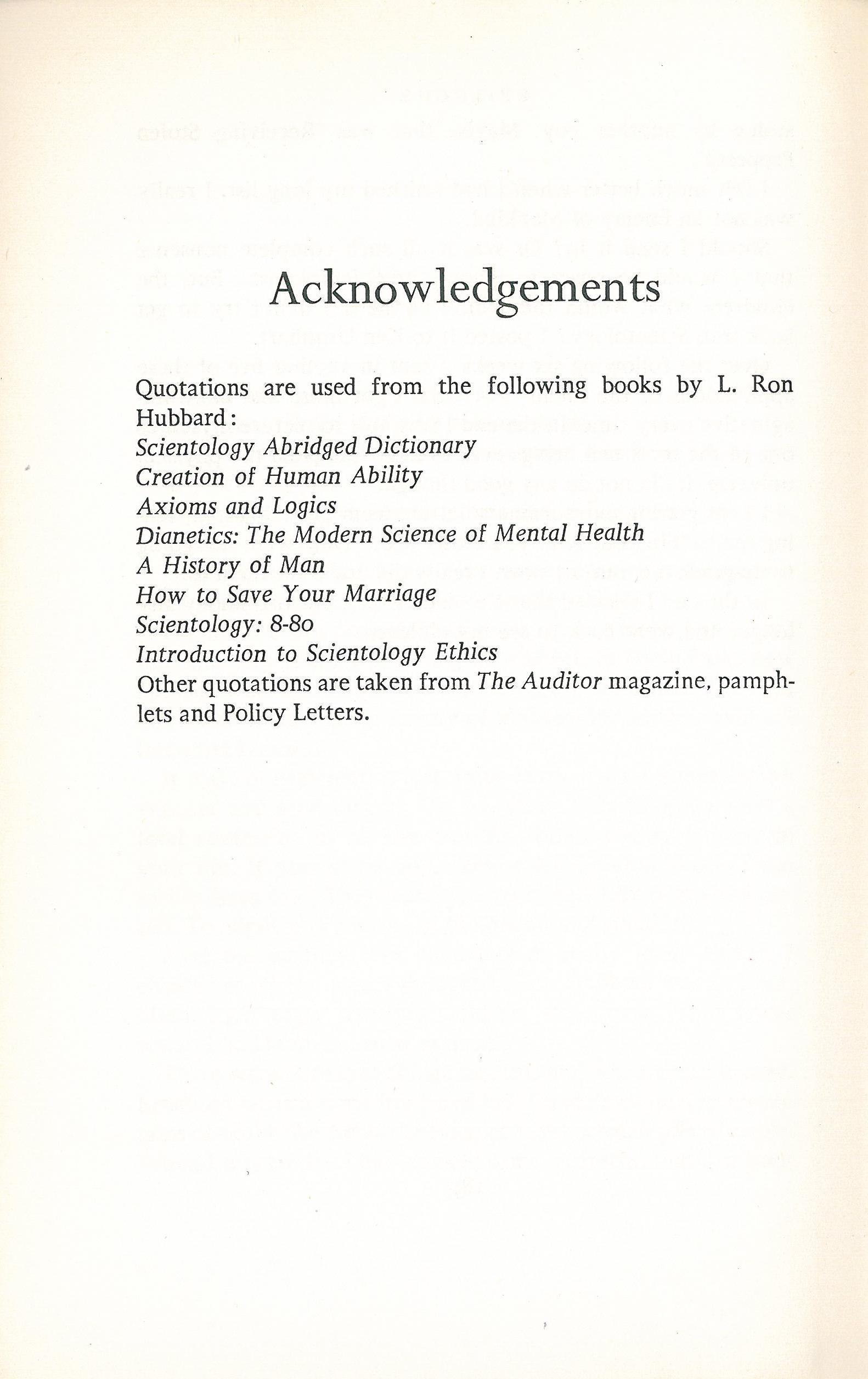
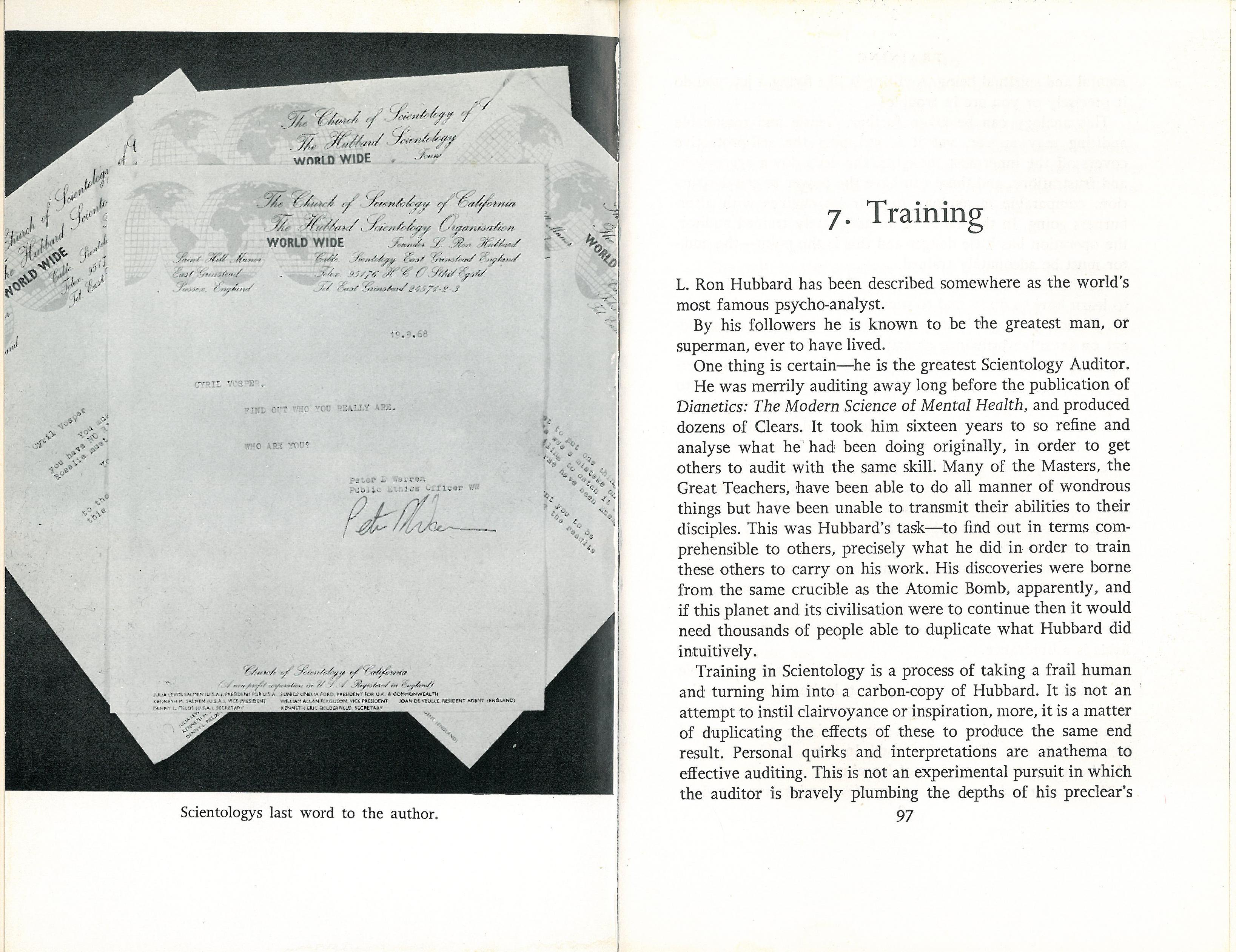
The Court of Appeal (of England and Wales) (Lord Denning, M.R., Megaw and Stephenson L.JJ.) upheld the defences submitted by the defendants, particularly that of “fair dealing” within the meaning of 6 (2) of the Copyright Act of 1956, an antecedent of the current fair dealing for criticism and review. The defendants also survived the plaintiff’s claim that there was a breach of confidence since the Court agreed that it was in the public interest not to enforce it, if it existed. The plaintiffs appealed to the House of Lords but the Law Lords refused to hear the case. One year later, the plaintiffs lodged a second case against the same defendants, now claiming that the book constituted a contempt of court. This action also failed. As a historical (and legal) curiosity, the paperback edition of the book included an appendix with an account of the proceedings. More recently, Prof. Ronan Deazley has speculated on what would be the decision if the situation were to reoccur under the current statutory regime. His impression is that the statutory defence would be less likely to succeed. [See Ronan Deazley, Rethinking Copyright: History, Theory, Language (London, Edward Elgar 2006) p. 115].
Here we include the book jacket and a couple of pages that were discussed in the litigation - the question of fair dealing, sufficient acknowledgement and the publication of material that could be labelled as confidential (e.g. letters).